
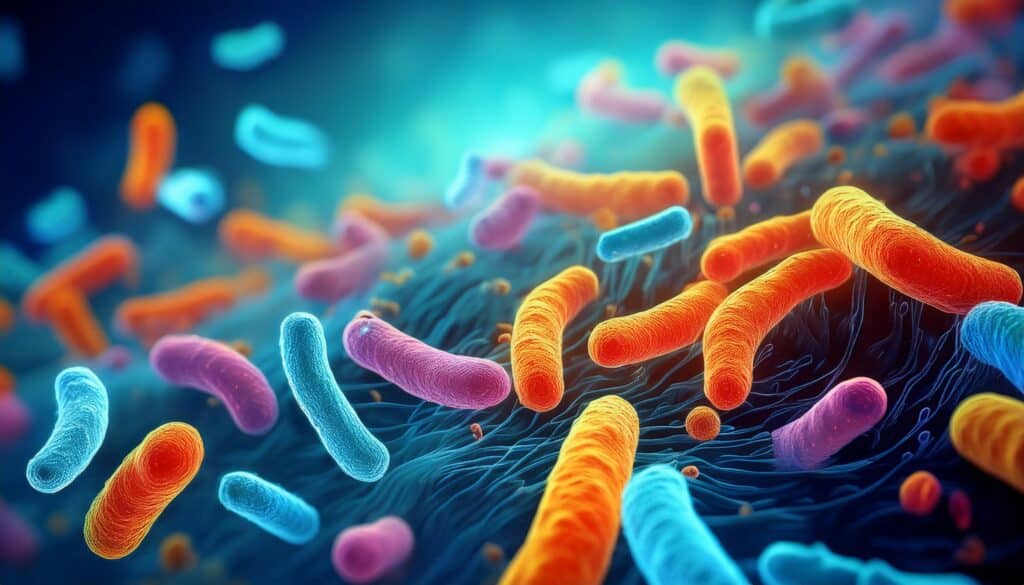
Is Your Trash Bin Making You Sick?
Most homeowners think about germs in kitchens and bathrooms—but rarely think about what’s living in their trash bin.
Yet your trash bin is one of the most bacteria-heavy items on your property. Leftover food, liquids, pet waste, diapers, and Michigan heat combine to create the perfect environment for bacteria, odors, maggots, and rodents. Once those conditions exist, they don’t stay contained.
For homeowners across Macomb County, dirty trash bins are one of the most common hidden sanitation issues—and one of the easiest to fix once you understand the risks.
Why Trash Bins Become a Health Risk So Quickly
Trash bins are designed to hold waste, not to clean themselves. Every week, new material is added on top of old residue that never gets removed during standard trash pickup.
When food particles mix with moisture and heat, bacteria multiply rapidly. Studies have shown that trash bins containing organic waste can reach extremely high bacterial levels within days, especially during warmer months.
Each time you touch the lid, roll the bin, or store it near your home, bacteria can spread to:
- Hands and clothing
- Garage floors
- Driveways and walkways
- Pet paws
- Entryways and door handles
This is why sanitation—not just odor control—is so important.
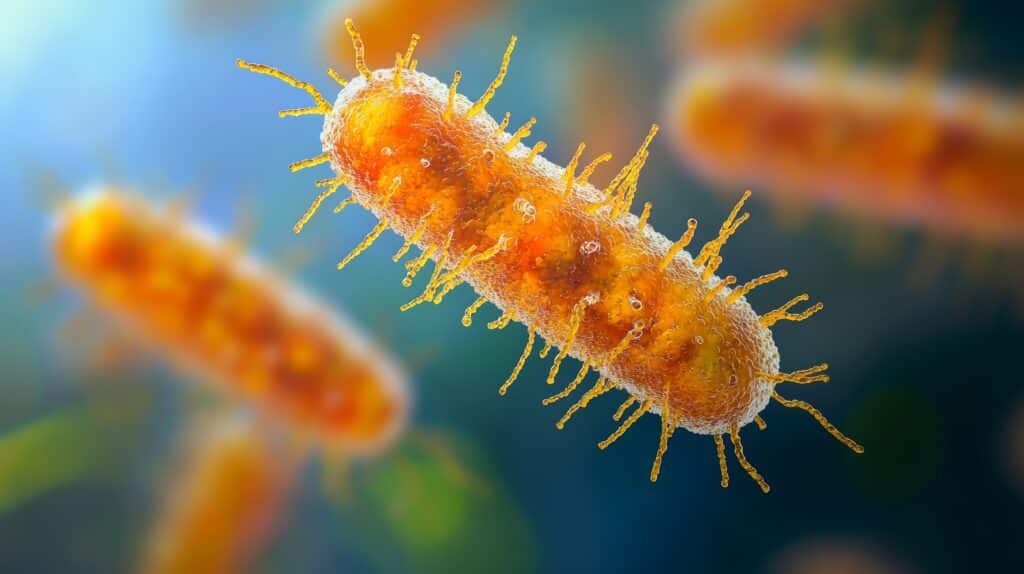
Common Bacteria Found in Dirty Trash Bins
Trash bins—often called garbage cans or trash cans—serve the same purpose, and regardless of the name, they collect the same waste, bacteria, and residue that can pose health risks when not properly sanitized. Your trash bin isn’t just unpleasant—it can become a breeding ground for harmful microorganisms.
Some of the most common bacteria found in dirty trash bins include:
- E. coli, often introduced through raw meat packaging and food scraps, which can cause gastrointestinal illness
- Salmonella, commonly found in rotting food waste and linked to fever and stomach issues
- Listeria, which thrives in damp environments and is especially dangerous for pregnant women and young children
- Mold and mildew, which contribute to respiratory irritation, allergies, and persistent odors
According to guidance from the Centers for Disease Control and Prevention, containers that regularly hold waste should be cleaned and disinfected to help reduce the spread of bacteria and illness—something routine trash pickup does not do.
https://www.cdc.gov/hygiene/cleaning-disinfecting/index.html
How Germs Spread From Trash Bins to Your Home
Bacteria don’t stay put.
When bins are opened, rolled, or tipped during collection, residue and moisture shift. Air movement can carry odor-causing bacteria. Pests that visit bins often carry germs into other areas of your property.
This is how contamination spreads from a trash bin to:
- Garage storage areas
- Children’s bikes and toys
- Outdoor patios
- Interior floors and counters
If your bins are stored in a garage or near doors, the risk increases significantly.
Maggots, Flies, and Rodents: Why They Love Dirty Trash Bins
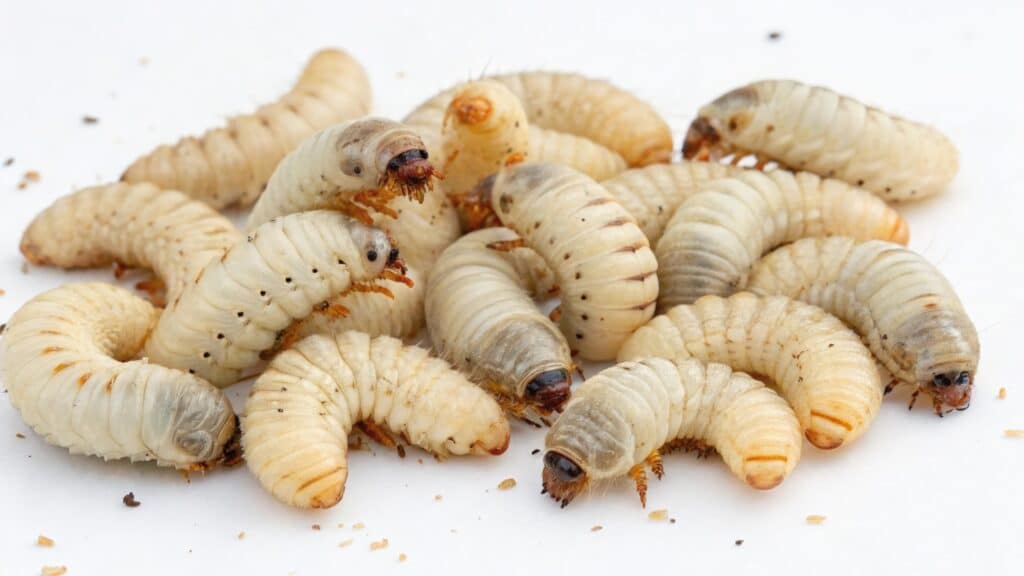
One of the most common reasons homeowners call Bin Dazzled is maggots.
Maggots form when flies lay eggs in bins that contain food residue and moisture. Once they appear, they multiply quickly and are difficult to eliminate without proper sanitation.
Dirty trash bins also attract:
- Flies
- Ants
- Raccoons
- Rats and mice
Rodents are especially drawn to food smells and spilled liquids. Once they associate your property with food, they return repeatedly and can cause additional damage.
Regular trash bin sanitation removes the residue that attracts pests and breaks the cycle before infestations take hold.
Why Odors Are a Warning Sign, Not Just an Annoyance
Bad smells aren’t just unpleasant—they’re a signal that bacteria are actively breaking down waste.
In Macomb County, summer heat accelerates decomposition, making odors stronger and longer-lasting. These smells can drift into garages, homes, and neighboring properties.
If your trash bin smells even after trash day, it means residue is still present—and bacteria are still active.
Why DIY Cleaning Usually Isn’t Enough
Many homeowners attempt to clean trash bins themselves using hoses, bleach, or household cleaners. While this may improve appearance briefly, it rarely solves the underlying problem.
DIY cleaning challenges include:
- Cold water that doesn’t kill bacteria
- Scrubbing that spreads contamination
- Harsh chemicals that can harm pets and landscaping
- Messy runoff entering storm drains
Without high heat and proper sanitation, bacteria and odors return quickly.
How High-Heat Cleaning Eliminates Germs and Pests
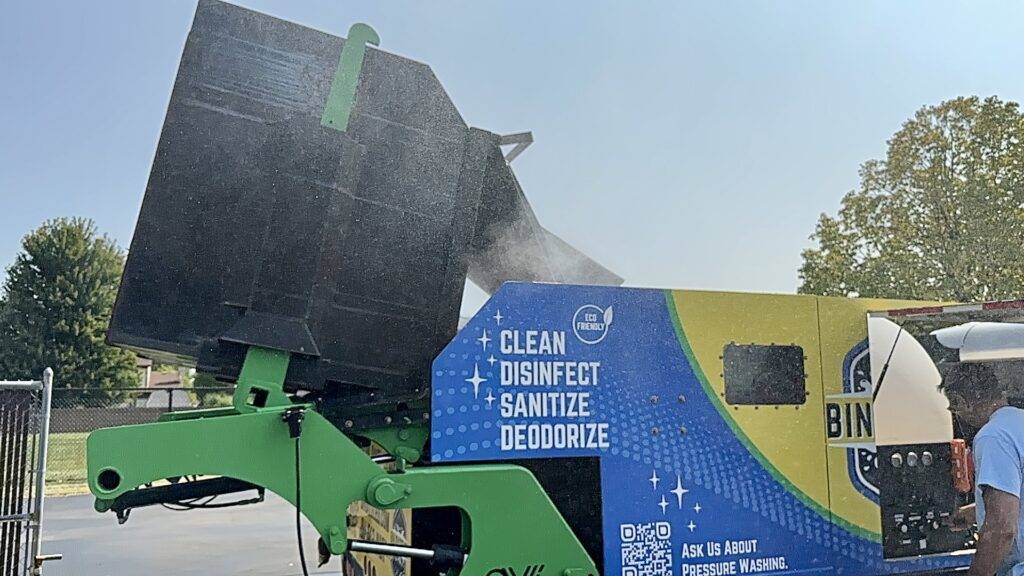
Professional trash bin cleaning uses superheated water to sanitize bins thoroughly.
At Bin Dazzled, we use 200-degree high-pressure water to:
- Kill bacteria like E. coli and Salmonella
- Remove stuck-on residue
- Eliminate odor-causing microbes
- Wash bins safely without harsh chemicals
Bacteria typically die at temperatures around 160°F. Our process exceeds that threshold, ensuring bins are fully sanitized—not just rinsed.
Why High-Heat Cleaning Is Safer for Families and Pets
Chemical sprays may mask smells but often leave behind residues that pets and children can contact.
High-heat cleaning relies on temperature and pressure, not chemicals, making it:
- Safer for kids and pets
- Better for the environment
- More effective long-term
This approach aligns with EPA recommendations for responsible sanitation and waste management.
https://www.epa.gov/smm
How Often Should Trash Bins Be Cleaned in Macomb County
Cleaning frequency depends on usage, household size, and waste type.
Monthly cleaning is recommended for:
- Families with children
- Homes with pets
- Frequent food waste
Quarterly cleaning works well for average-use households that want to stay ahead of odors and bacteria.
One-time deep cleaning is ideal for:
- Severe odors
- Maggots or pest issues
- Move-in or move-out situations
- Bins that haven’t been cleaned in months or years
Simple Ways to Reduce Germs Between Professional Cleanings
Between services, a few habits can help limit buildup:
- Double-bag meat, pet waste, and diapers
- Keep bins as dry as possible
- Sprinkle baking soda to absorb minor odors
- Rinse spills quickly before they bake on
These steps help—but they don’t replace professional sanitation.
Why Local Service Matters
Bin Dazzled is a family-owned, local business serving Macomb County homeowners.
We understand:
- Local trash pickup schedules
- Seasonal weather patterns
- HOA expectations
- Common pest and odor issues in the area
Learn more about who we are here:
https://bindazzled.com/who-we-are-bin-dazzled-trash-bin-dumpster-cleaning/
Serving Macomb County Communities
We proudly provide trash bin cleaning across Macomb County, including:
- Macomb Township
- Shelby Township
- Washington Township
- Clinton Township
Macomb Township homeowners can learn more here:
https://bindazzled.com/macomb-township-bin-cleaning/
Shelby Township residents can view services here:
https://bindazzled.com/shelby-township-trash-can-cleaning/
When Trash Bin Cleaning Is Most Important
Trash bin cleaning is especially valuable:
- During summer heat waves
- After holidays and gatherings
- When maggots appear
- When bins are stored in garages
- Before hosting events or parties
Many homeowners also combine bin cleaning with other exterior services to reset their property.
Final Thoughts: A Clean Trash Bin Supports a Healthier Home
Your trash bin may not be something you think about daily—but it has a daily impact on your environment.
A dirty trash bin can contribute to bacteria spread, pest infestations, odors, and unnecessary health risks. Regular sanitation protects your family, your pets, and your property.
For homeowners in Macomb County, addressing trash bin cleanliness is one of the simplest ways to improve home hygiene.
Ready to Eliminate Germs, Odors, and Pests
If your trash bin smells bad, attracts flies or rodents, or hasn’t been cleaned in a long time, now is the time to act.
Learn more about our residential and commercial cleaning services here:
https://bindazzled.com/commercial-cleaning-services/
Or schedule your curbside trash bin cleaning today and enjoy a cleaner, healthier home with Bin Dazzled.